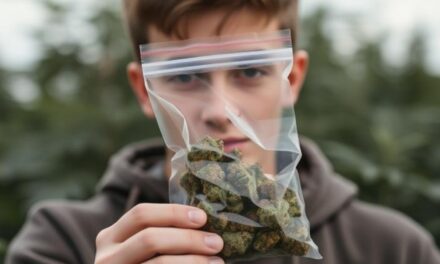
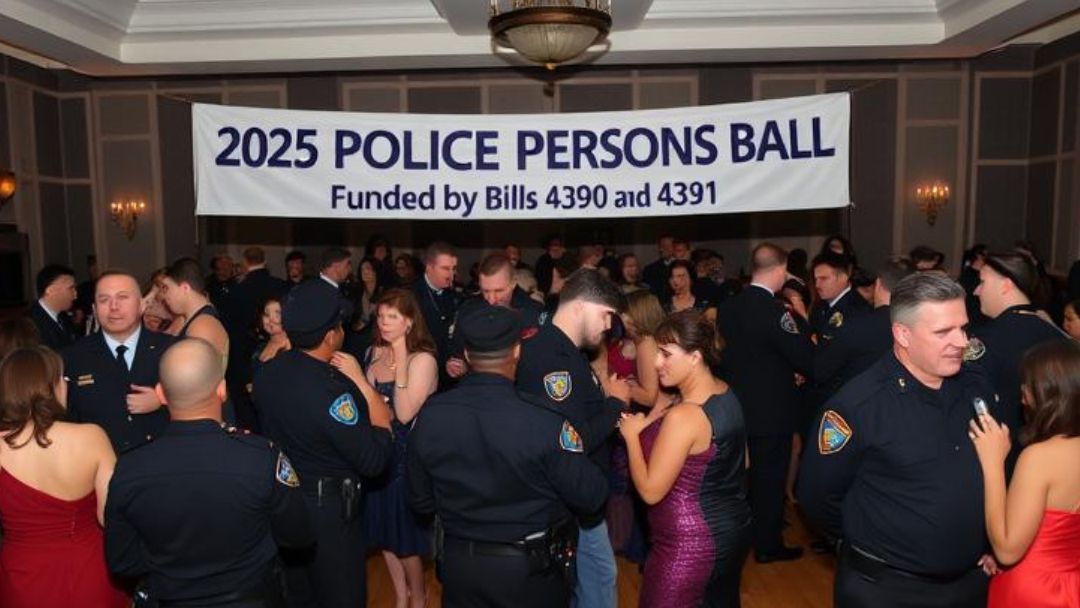
Roadside saliva testing for drugs in Michigan is a developing issue with ongoing legal and scientific debate.
House Bill 4390
House Bill 4390 in Michigan enhances the Michigan Vehicle Code by introducing oral fluid testing as a method for identifying controlled substances in drivers suspected of impairment, allowing law enforcement to conduct saliva tests during roadside checks in a manner similar to current breathalyzer tests for alcohol detection. Additionally, the bill revises the definition of “other bodily fluid” to include saliva within various regulations concerning chemical testing for intoxication.
House Bill 4391
Michigan House Bill 4391 expands the Michigan Vehicle Code to include “oral fluid” as a method of testing for intoxication or impairment, primarily focusing on oral fluid testing. This bill allows peace officers to conduct preliminary oral fluid analyses, in addition to existing breath tests, and permits chemical testing of oral fluid samples alongside blood and urine tests. It also includes provisions to protect individuals’ privacy when oral fluid testing is performed. The bill is tied to the passage of House Bill 4390 and will take effect 90 days after enactment
Here’s a breakdown of the saliva road test situation in Michigan
- Purpose: These tests are intended to be a tool for law enforcement to quickly screen for the presence of drugs like THC (the psychoactive component of marijuana), cocaine, methamphetamine, opiates, or benzodiazepines in a driver’s system.
- Procedure: If enacted, police officers would use a swab to collect saliva from inside a driver’s mouth, and the swab would be inserted into a device that alerts for the presence of these substances.
- Roadside Testing and Admissibility: Roadside saliva test results aren’t admissible in court except under certain circumstances but can serve as the basis for an arrest.
- Lab Testing and Admissibility: The legislation also allows for the collection of saliva with a swab and sending it to a lab for analysis, with those results being admissible in court.
- Criticisms: Critics argue that these tests do not indicate the quantity of drugs in a person’s system or whether they are actually impaired, which could potentially lead to unjust arrests and prosecutions. Concerns have also been raised about the accuracy of the tests and potential privacy issues related to DNA in saliva samples.
- Refusal to Test: Drivers who refuse to submit to a roadside saliva test could be subject to a civil infraction.
Get Arrested for DUI or Driving High?
Better call one of the best defense attorneys in Michigan.
Better call Komorn 248-357-2550
Updated Time Line
- Jul 17, 2025 | Senate
PASSED BY HOUSE WITH IMMEDIATE EFFECT
REFERRED TO COMMITTEE ON CIVIL RIGHTS, JUDICIARY, AND PUBLIC SAFETY - Jul 01, 2025 | House
read a third time
amended
passed; given immediate effect Roll Call #168 Yeas 61 Nays 44 Excused 0 Not Voting 5
transmitted - Jun 26, 2025 | House
reported with recommendation with substitute (H-2)
referred to second reading
read a second time
substitute (H-2) adopted
placed on third reading - May 22, 2025 | House
reported with recommendation for referral to Committee on Rules with substitute (H-2)
recommendation concurred in - Apr 29, 2025 | House
bill electronically reproduced 04/24/2025 - Apr 24, 2025 | House
introduced by Representative Rep. Julie Rogers
read a first time
referred to Committee on Government Operations
Here’s 5 FAQs about Michigan HB 4390 and HB 4391 (2025 session):
1. What are Michigan House Bills 4390 and 4391 primarily about? Michigan House Bills 4390 and 4391 are companion bills that aim to amend the Michigan Vehicle Code to allow for roadside oral fluid (saliva) tests to screen drivers for the presence of controlled substances, including marijuana. They would add these “preliminary oral fluid analyses” to the existing provisions for preliminary breath tests for alcohol.
2. How would these bills change current roadside drug testing procedures? Currently, a peace officer can request a preliminary breath test for alcohol. These bills would expand that authority to include requesting a preliminary oral fluid test for controlled substances. Importantly, the bills would allow a general “peace officer” to perform these tests, whereas previous pilot programs for roadside drug testing in Michigan required a “certified drug recognition expert.”
3. What substances would be detectable by these new roadside tests? The bills broadly refer to detecting the “presence of a controlled substance.” While the specifics of the testing devices are not detailed in the bill language, the Michigan State Police’s previous pilot program for oral fluid testing focused on substances such as THC (from marijuana), amphetamines, and cocaine.
4. What are the potential impacts of these bills if they become law? If enacted, these bills could lead to an increase in the number of individuals found to be in violation of impaired driving laws related to controlled substances. This could result in new costs for the Department of State Police and local law enforcement agencies related to acquiring the necessary testing equipment. Depending on the number of additional convictions, there could be an indeterminate fiscal impact on the state and local governments, as violations can range from civil infractions to misdemeanors or felonies.
5. What is the current status of House Bills 4390 and 4391? Both House Bills 4390 and 4391 have passed the Michigan House of Representatives and have been transmitted to the Senate. As of July 2025, they have been referred to the Senate Committee on Civil Rights, Judiciary, and Public Safety for further consideration. (7-17-25)
Charged with an "alleged" crime
DUI – Traffic – Resisting – Any Crime
Better Call Komorn
More Posts

Florida Rejects 2026 Petition for Adult‑Use Marijuana
Florida officials say no citizen‑initiated amendments—including a major recreational marijuana...

Oops-We Taxed You Again-Proposed 32% Tax on Internet Devices for Kids
Michigan’s proposed 32% sin device tax on top of convience fees, service fees, credit card fees,...

Michigan judge and 3 others charged in stealing from incapacitated adults
Detroit Judge Accused of Joining Scheme to Drain Funds From Incapacitated AdultsSummary A Detroit...

The Cannabis Shift Show
The Cannabis Shift Show. Michigan is leaving its “green rush” phase and entering a period of...

How Ohio’s $1B Cannabis Boom Impacts Michigan
Michigan vs. Ohio: The Cannabis Shift Show. Ohio Hits $1 Billion in "Legal" Marijuana Sales in...

Court Allows Challenge to Michigan’s New 24% Cannabis Tax
Summary In Michigan cannabis news a Michigan Court of Claims judge has ruled that the lawsuit...
See what they are doing