

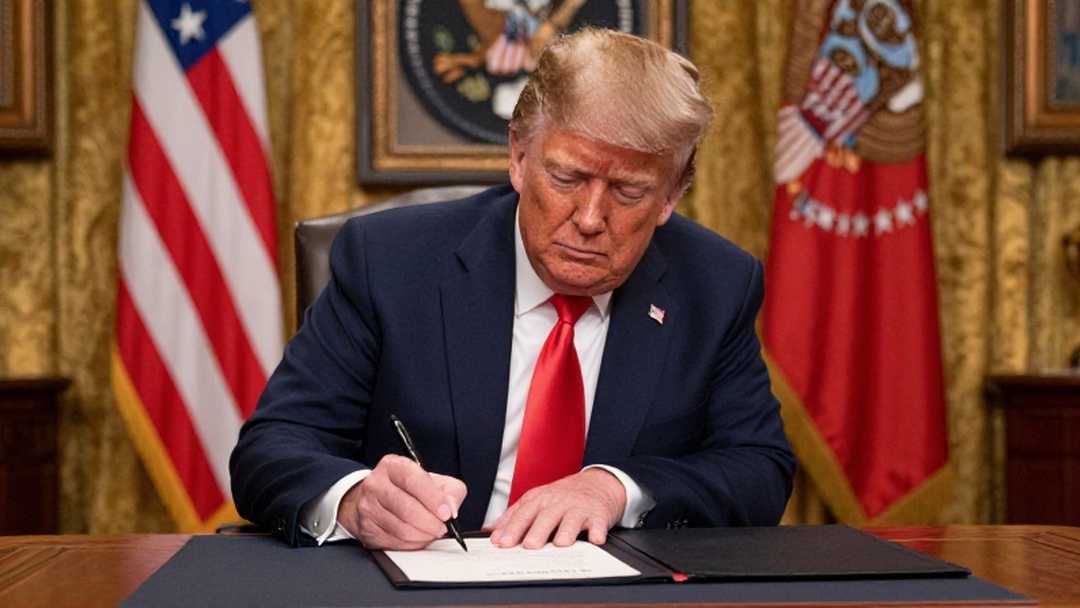
Donald Trump’s Actions
On December 18, 2025, President Donald Trump signed an executive order reclassifying marijuana from a Schedule I to a Schedule III controlled substance under the federal Controlled Substances Act (CSA). This marks the most significant federal cannabis policy shift in decades, moving marijuana out of the category reserved for drugs deemed to have no medical use and high abuse potential (like heroin and LSD).
The Controlled Substance Act of 1970 classified the plant cannabis, which was historically classified as either marijuana or hemp, as an illegal drug, a Schedule I controlled substance with a high potential for abuse and no FDA-approved medical use in the United States.
For more than 50 years, hundreds of thousands of people were arrested and imprisoned for possessing it. 317,793 Americans are arrested annually for possession of marijuana. Easy Target – Easy Money.
Brief Summary
The reclassification does not legalize marijuana federally. Instead, it reduces restrictions, allowing expanded medical research, easing tax burdens for cannabis businesses, and potentially opening the door for cannabis-derived therapies to be covered under federal health programs.
Michigan Cannabis Tax Distribution
Background
- Schedule I drugs: No accepted medical use, high abuse potential (heroin, LSD).
- Schedule III drugs: Moderate to low abuse potential, recognized medical uses (ketamine, Tylenol with codeine).
- Marijuana has been Schedule I since 1970, despite widespread state legalization for medical and recreational use.
- The Biden administration began the rescheduling review, but Trump’s order finalized the move.
Opinions
- Supporters argue this is a long-overdue recognition of marijuana’s medical value, especially for veterans and patients with chronic pain, cancer, or seizure disorders.
- Critics caution that rescheduling may invite pharmaceutical industry dominance, complicate state markets, and still leaves recreational legalization unresolved.
- Legal scholars note that while research barriers will ease, criminal penalties remain, and federal-state conflicts persist.
What’s at Stake
- Medical Research: Universities and labs can now study cannabis without the same federal hurdles.
- Business Operations: Cannabis companies may gain relief from punitive IRS rules (Section 280E), improving profitability.
- Healthcare Access: Pilot programs could allow CBD and cannabis-derived treatments under Medicare.
- Legal Landscape: Federal prosecutions for marijuana-related offenses remain possible, though less likely for medical contexts.
- State Laws: States retain authority; Trump’s order does not override state prohibitions.
In Closing
Trump’s executive order is a historic but partial reform. It acknowledges marijuana’s medical potential while stopping short of full legalization. For legal professionals, the move raises questions about federal-state conflicts, tax law implications, and regulatory oversight. For everyday readers, it signals progress toward mainstream acceptance, but the path to nationwide legalization remains uncertain.
FAQ
Q: Does this affect state marijuana laws?
A: No. States retain control. Federal reclassification does not force states to legalize marijuana.
Q: Does this mean marijuana is now legal nationwide?
A: No. Marijuana remains federally controlled. States still decide whether recreational or medical use is legal.
Q: What is the difference between Schedule I and Schedule III?
A: Schedule I drugs are considered highly dangerous with no medical use. Schedule III drugs have accepted medical uses and lower abuse potential.
Q: Will cannabis businesses pay less in taxes now?
A: Likely yes. Rescheduling may exempt them from IRS Section 280E, which disallowed normal business deductions.
Q: Can doctors now prescribe marijuana?
A: Not yet. The FDA must approve cannabis-based medications before doctors can prescribe them like other Schedule III drugs.
Related Info, Laws or Articles
- Controlled Substances Act (21 U.S.C. § 812)
- Internal Revenue Code § 280E
- Agriculture Improvement Act of 2018 (Hemp provisions)
- People v. Armstrong (Michigan Supreme Court, 2025 – marijuana smell and probable cause)
- Gonzales v. Raich, 545 U.S. 1 (2005) – federal power over marijuana despite state laws


The GC-MS method was innovated by a team at the National Institute of Standards and Technology (NIST), establishing it as a reliable and authoritative technique.
They successfully extracted THC from a sample and utilized the test to determine the precise cannabinoid content.
In 2020, the DOJ initially announced its approval of $350,000 in funding for NIST to conduct this vital research.
The DART-HRMS tactic also tackles one of the emerging cannabis testing challenges in forensic labs. It enables researchers to accurately determine the THC content in various forms such as baked goods, candies, beverages, and plant materials, with minimal pre-treatment steps.
U.S. Customs and Border Protection (CBP) released a solicitation in 2022, seeking portable marijuana analyzers to swiftly identify cannabinoid profiles and aid in the differentiation between marijuana and hemp.
The Drug Enforcement Administration (DEA) announced in 2019 its search for a device that can accurately differentiate between hemp and marijuana, now that the former crop has been legalized.
As always… Follow the money.
More Posts

Florida Rejects 2026 Petition for Adult‑Use Marijuana
Florida officials say no citizen‑initiated amendments—including a major recreational marijuana...

Oops-We Taxed You Again-Proposed 32% Tax on Internet Devices for Kids
Michigan’s proposed 32% sin device tax on top of convience fees, service fees, credit card fees,...

Michigan judge and 3 others charged in stealing from incapacitated adults
Detroit Judge Accused of Joining Scheme to Drain Funds From Incapacitated AdultsSummary A Detroit...

The Cannabis Shift Show
The Cannabis Shift Show. Michigan is leaving its “green rush” phase and entering a period of...

How Ohio’s $1B Cannabis Boom Impacts Michigan
Michigan vs. Ohio: The Cannabis Shift Show. Ohio Hits $1 Billion in "Legal" Marijuana Sales in...

Court Allows Challenge to Michigan’s New 24% Cannabis Tax
Summary In Michigan cannabis news a Michigan Court of Claims judge has ruled that the lawsuit...